Ear Wax: What It Is, Why We Have It, and Safe Ways to Remove It
Ear wax (also known as cerumen) often gets a bad reputation, but it actually plays an important role in keeping our ears healthy. Problems only arise when wax builds up excessively or becomes impacted, something we see regularly in clinic.
In this article, we explain what ear wax is, why it can cause issues, and the different ear wax removal methods available, including the safest and most effective options.
What Is Ear Wax and Why Do We Have It?
Ear wax is a natural substance produced by glands in the ear canal. Its job is to:
- Trap dust, dirt, and bacteria
- Protect the delicate skin inside the ear
- Prevent irritation and infection
Normally, ear wax moves out of the ear canal on its own. However, for some people, wax can build up faster than it clears, leading to a blockage.
Symptoms of Excess Ear Wax
A build-up of ear wax can cause:
- Reduced or muffled hearing
- Earache or a feeling of pressure
- Tinnitus (ringing in the ears)
- Dizziness
- Itchiness or discomfort
If you’re experiencing any of these symptoms, professional assessment is important.
Common Ear Wax Removal Methods
There are several methods of ear wax removal available, but not all are equally safe or suitable for everyone.
- Ear Drops (Softening Wax)
Ear drops are often recommended as a first step. These may include:
- Olive oil
- Sodium bicarbonate drops
- Proprietary wax-softening solutions
Drops can help soften wax and, in some cases, allow it to clear naturally. However, drops alone may not be effective for impacted wax and should not be used if you have a perforated eardrum unless advised by a professional.
- Ear Irrigation & Ear Syringing
Ear irrigation uses a gentle flow of water to flush wax from the ear canal. While it has been used for many years, it is less likely to be recommended by many healthcare professionals due to risks such as:
- Ear infections
- Damage to the ear canal or eardrum
- Worsening of dizziness or tinnitus
Many GP practices no longer offer ear irrigation.
It is worth noting that ear syringing is different to irrigation. Ear syringing is an outdate practice which pushes water into the canal using a large syringe. This is no longer recommended in the UK.
- Ear Candling (Not Recommended)
Ear candling involves placing a hollow candle in the ear and lighting it. There is no scientific evidence that this removes ear wax and it can be dangerous, with risks including burns and wax being pushed further into the ear. This method is not recommended.
- Microsuction – The Gold Standard
Microsuction is widely regarded as the safest and most effective method of ear wax removal.
At Tripp Hearing, we use microsuction because it:
- Is quick and precise
- Uses gentle suction rather than water
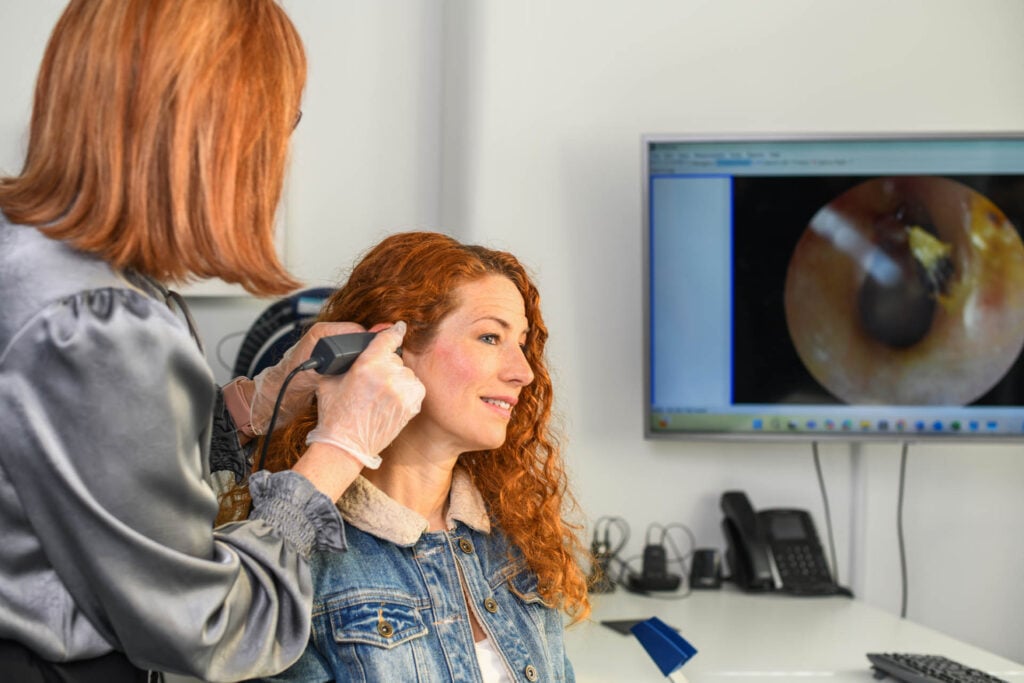
- Allows the clinician to see inside the ear at all times
- Is safe for most people, including hearing aid users
Microsuction is performed using specialist equipment under direct visual guidance, minimising risk and discomfort. Most patients notice an immediate improvement in hearing.
Why Choose Professional Ear Wax Removal?
Attempting to remove ear wax at home using cotton buds or other objects often makes the problem worse by pushing wax deeper into the ear canal and increasing the risk of injury.
A trained professional can:
- Assess whether wax is the cause of your symptoms
- Remove wax safely and effectively
- Check the health of your ear canal and eardrum
Ear Wax Removal at Tripp Hearing
At Tripp Hearing, ear wax removal is carried out using microsuction by trained Audiologists in a safe, clinical environment.
If you’re experiencing blocked ears or changes in your hearing, we recommend having your ears checked rather than waiting for symptoms to worsen.